
How Stump Grinding Works: A Step-by-Step Guide
How stump grinding works: a professional grinds a stump 6 to 12 inches below grade, then you reuse the chips. Here is the full process.
Key takeaways
- Stump grinding uses a spinning carbide-tipped wheel to chip a stump down to roughly 6 to 12 inches below grade, leaving wood chips instead of a crater.
- For replanting a tree in the same spot, professionals grind deeper, around 12 to 18 inches, to clear enough root mass for new growth.
- The wood chips left behind make good surface mulch, but keep them on top of the soil rather than tilling them in.
- DIY stump grinding is the leading cause of serious tree-work injuries to non-professionals, with lacerations and amputations the most common result.
Stump grinding works by driving a spinning steel wheel studded with carbide teeth across a tree stump, chipping the wood down to several inches below ground level. What is left is a pile of wood chips and a shallow hole, not the solid stump you started with. Understanding how stump grinding works helps you prepare your yard, judge whether a crew did the job right, and decide what to do with the leftover material.
This guide walks through the full stump grinding process, from sizing up the stump to spreading the chips, so you know what to expect before a grinder ever reaches your property.
Assessing the Stump Size and Surrounding Area
Every stump grinding process starts with a careful look at the stump and everything around it. Diameter, wood hardness, root flare, and nearby obstacles all change how the work goes. A thin pine stump in open grass is a quick job. A wide oak with roots snaking under a patio is a different matter entirely.
Before any grinding begins, a professional checks for hazards hiding below the surface. Call 811 to have underground utilities marked, because gas, water, and electric lines often run near mature trees.
The crew also clears loose rocks, metal, and debris from around the stump. These objects can damage the cutting teeth or become dangerous projectiles. Fencing, sprinkler heads, and landscape lighting near the stump get noted so they can be protected or temporarily moved.
For homeowners weighing their options at this stage, it helps to understand the difference between grinding and full extraction. Our guide on stump grinding vs stump removal breaks down when each approach makes sense.
What Equipment Is Used in Professional Stump Grinding?
Professional stump grinding relies on a purpose-built machine called a stump grinder, which uses a rotating wheel lined with carbide-tipped cutting teeth to chew through wood. The teeth matter as much as the engine. Carbide holds an edge through grit and buried stones that would dull plain steel in minutes.
Stump grinders range widely in size. Compact walk-behind units fit through a standard garden gate for tight backyards. Larger self-propelled and tow-behind machines handle big stumps and heavy commercial work. The bigger the engine and wheel, the faster a tough hardwood stump comes apart.
Guarding is a built-in part of commercial equipment. The ANSI Z133 safety standard for arboriculture requires stump cutters to carry an enclosure or guard that protects the operator. That shielding is one reason trained operators avoid the injuries that catch DIY users off guard.
The Grinding Process From Start to Finish
The grinding process itself follows a steady, repeatable pattern. Once the area is clear and utilities are marked, the operator positions the grinder beside the stump and starts cutting from the top down and side to side.
Here is how a typical grind unfolds:
- Position the machine. The operator lines the cutting wheel up with the edge of the stump and lowers it into contact.
- Sweep across the stump. The wheel is swung side to side, shaving off a few inches of wood with each pass rather than plunging straight in.
- Work downward in layers. As the top grinds away, the operator lowers the wheel and repeats, peeling the stump down level by level.
- Chase the surface roots. Large roots flaring out from the base are ground down too, so nothing woody is left poking through the lawn.
- Grind to target depth. The operator keeps going until the stump sits well below grade, then checks the depth before moving on.
Most residential stumps take anywhere from 15 minutes to a couple of hours. A narrow stump disappears quickly, while a broad hardwood with a heavy root flare demands patience and many more passes.
Throughout the job, the operator keeps bystanders well back. The spinning wheel throws chips and the occasional stone with real force, which is why professionals set up a clear exclusion zone before the first cut.
How Deep Should Stump Grinding Go for Replanting?
How deep stump grinding should go depends entirely on what you plan to do with the space afterward. A standard grind takes the stump down roughly 6 to 12 inches below grade, which is plenty for laying sod, seeding grass, or finishing with soil and mulch. For replanting a new tree in the same spot, the grind needs to go deeper, generally 12 to 18 inches, to clear enough root mass.
If you only want the stump gone so you can mow over the area, a shallower grind of 4 to 6 inches keeps the wood below mower blades. Tell your crew the end goal before they start, since depth is hard to adjust after the fact.
Replanting carries a few extra considerations beyond depth. Leftover roots and decaying wood draw nutrients as they break down, so most arborists suggest waiting 6 to 12 months before planting a new tree and, when space allows, setting it 6 to 10 feet away from the old stump. That gives the young root system clean, settled soil to grow into.
Cleanup and Using Leftover Wood Chips
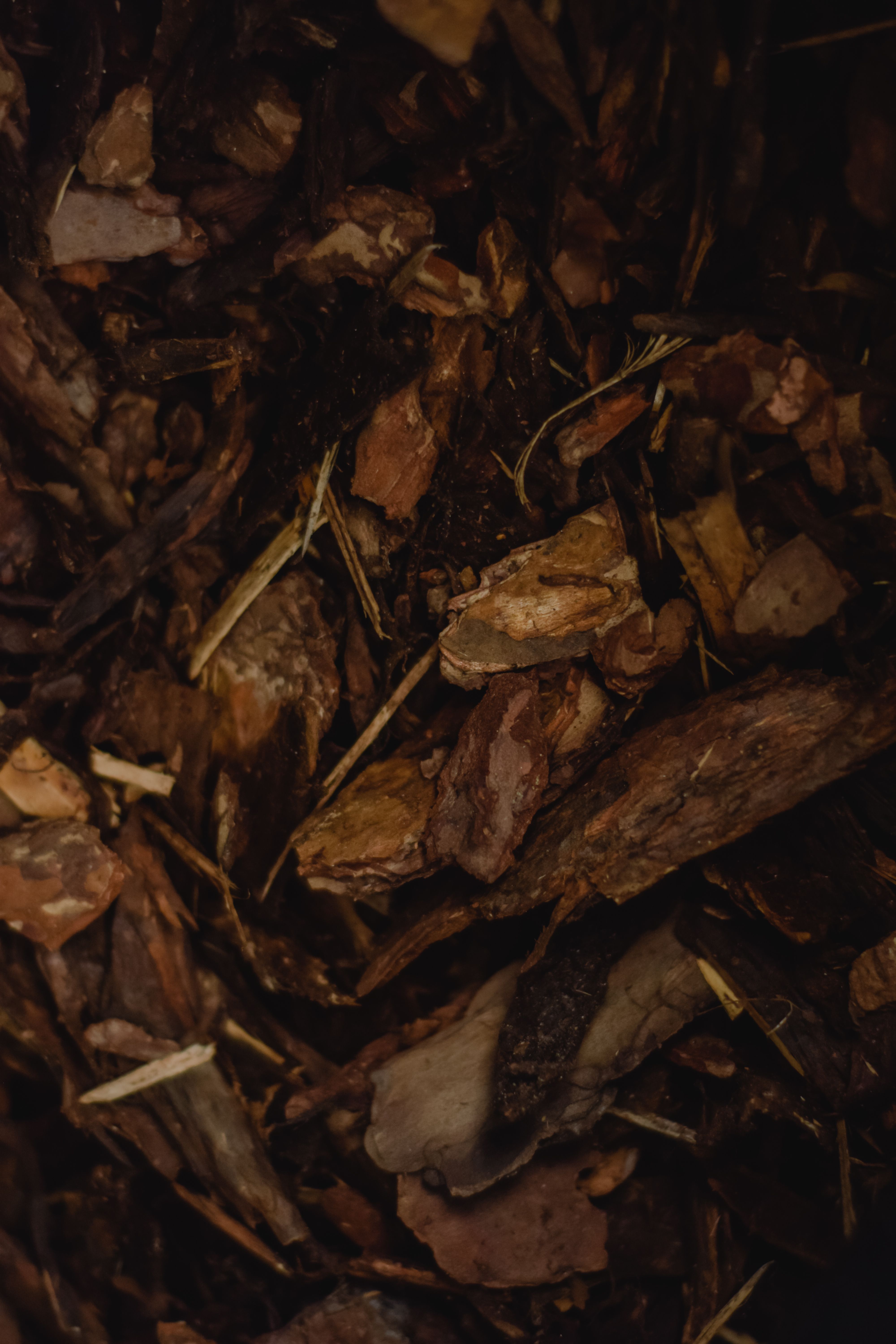
Cleanup is the final stage of the stump grinding process, and it comes with a bonus: a fresh supply of wood chips you can put to work. Grinding a single stump produces a surprising volume of material, usually mounded right over the hole where the stump used to be.
You have a few solid options for the chips:
- Spread them as mulch. Fresh grindings make good surface mulch for beds and around established trees, applied about 3 to 6 inches deep.
- Fill the hole. Some of the chips can backfill the cavity, though they settle over time and often need a top-up of soil.
- Haul them away. Many crews, including JD Tree Service, can remove the chips entirely if you would rather start with a clean slate.
One important caveat on reuse: keep the chips on the soil surface. According to Oregon State University Extension, wood chips used as a surface mulch do not cause the nitrogen tie-up problems people worry about, but rototilling fine wood chips into garden soil will tie up nitrogen (OSU Extension). The larger particles from stump grinding break down slowly on top, which is exactly where you want them. Keep mulch a few inches back from tree trunks and off your foundation.
Why Is DIY Stump Grinding Risky?
DIY stump grinding is risky because a rental grinder puts a high-speed cutting wheel in untrained hands, and the injuries that follow are severe. A review of stump grinding incidents in the OSHA database found that most nonfatal cases resulted in lacerations or amputations of the foot or lower leg, often when an operator reached in to clear debris from the spinning wheel (Arboriculture and Urban Forestry).
The machine is only part of the hazard. Buried rocks and metal turn into projectiles. Underground utility lines can be struck by a grinder that digs too deep or too wide. Rental units may lack the guarding that commercial standards require, leaving the operator exposed.
There is also the matter of doing the job well. Judging the right depth, chasing surface roots, and protecting nearby hardscape take practice. A rushed or shallow DIY grind often leaves wood close to the surface that sprouts suckers or trips up a future landscaping plan.
If you are dealing with a stump left behind by a storm-damaged or failing tree, the safest path is usually a professional crew with the right equipment and training.
Putting It All Together
Now that you know how stump grinding works, the next move is to get an honest assessment of your specific stump. Have its diameter, your end goal for the space, and any nearby obstacles ready when you call. A crew that asks about replanting depth and marks utilities before cutting is one that takes the process seriously, and that is the standard worth holding out for on your property.