How to Choose a Tree Removal Company in Tennessee
Learn how to choose a tree removal company in Tennessee: verify licensing, insurance, ISA certification, reviews, and written estimates.
Key takeaways
- Before you hire, confirm the company carries general liability insurance and workers' compensation, and ask for ISA Certified Arborist credentials you can verify.
- Tree work is genuinely dangerous: tree trimmers and pruners record about 239 injuries per 10,000 workers, nearly three times the all-industry average.
- Online reviews matter, since most consumers read them before hiring a local service, so check Google and Yelp ratings for recent, local jobs.
- Get at least two or three written estimates that spell out scope, cleanup, and stump handling, then compare the detail rather than only the price.
- Treat a bid far below the others as a warning sign, since it often means missing insurance, no cleanup, or inexperienced crews.
To choose a tree removal company in Tennessee, verify insurance and certification first, read recent local reviews, and compare written estimates line by line before signing anything. Price matters, but the wrong crew can damage your home, leave a mess, or put an uninsured worker on your property. This guide walks through the checks that separate a professional tree service from a risky one, so you can hire with confidence.
Tree work is not a low-stakes job. Tree trimmers and pruners record about 239 injuries per 10,000 workers, nearly three times the all-industry average of 89 per 10,000 (Tree Care Industry Magazine, 2024). That risk is exactly why the company you pick needs the right credentials, insurance, and equipment.
Verify Licensing, Insurance, and Certifications First
Insurance is the single most important check when you choose a tree removal company, because tree work carries real danger. Tree workers make up a tiny share of the U.S. workforce yet account for a disproportionate number of work-related fatalities, according to the same industry safety analysis. If an uninsured worker is injured on your property, you could be on the hook.
Ask for two coverages in writing:
- General liability, which pays if the crew damages your house, fence, or neighbor's property.
- Workers' compensation, which covers injured workers so the cost does not land on you.
Request a certificate of insurance and confirm the policy is active by calling the insurer directly. A legitimate company shares this without hesitation.
Certification is the next layer. An ISA Certified Arborist has passed a 200-question exam and met an experience requirement of at least three years of full-time arboriculture work before testing (ISA Certified Arborist Program Guide, 2025). That credential tells you the person understands tree biology, not just how to run a chainsaw.
In Tennessee, confirm the company holds any required local business license. If a job exceeds the state contractor threshold, a contractor license may also apply, so ask who holds it.
Check Reviews and Local Reputation
Online reviews are one of the fastest ways to judge a tree service, and the vast majority of consumers now read them before hiring a local business. For tree work, those reviews reveal how a company handles cleanup, deadlines, and surprises.
Read beyond the star rating. Look for patterns across Google, Yelp, and the Better Business Bureau:
- Do reviewers mention clean job sites and no leftover debris?
- Did the crew show up when promised?
- How did the company respond to the occasional bad review?
Recent reviews count more than old ones. A company with steady five-star feedback over the last year is a safer bet than one coasting on reviews from several years ago. Ask neighbors too, since a strong local reputation in your Tennessee community is hard to fake.
When you compare JD Tree Service against other providers, check that its reviews describe the exact work you need, whether that is storm cleanup, large oak removal, or routine trimming. A company that does your specific job well is more reassuring than one with generic praise.
Ask About Equipment and Safety Practices
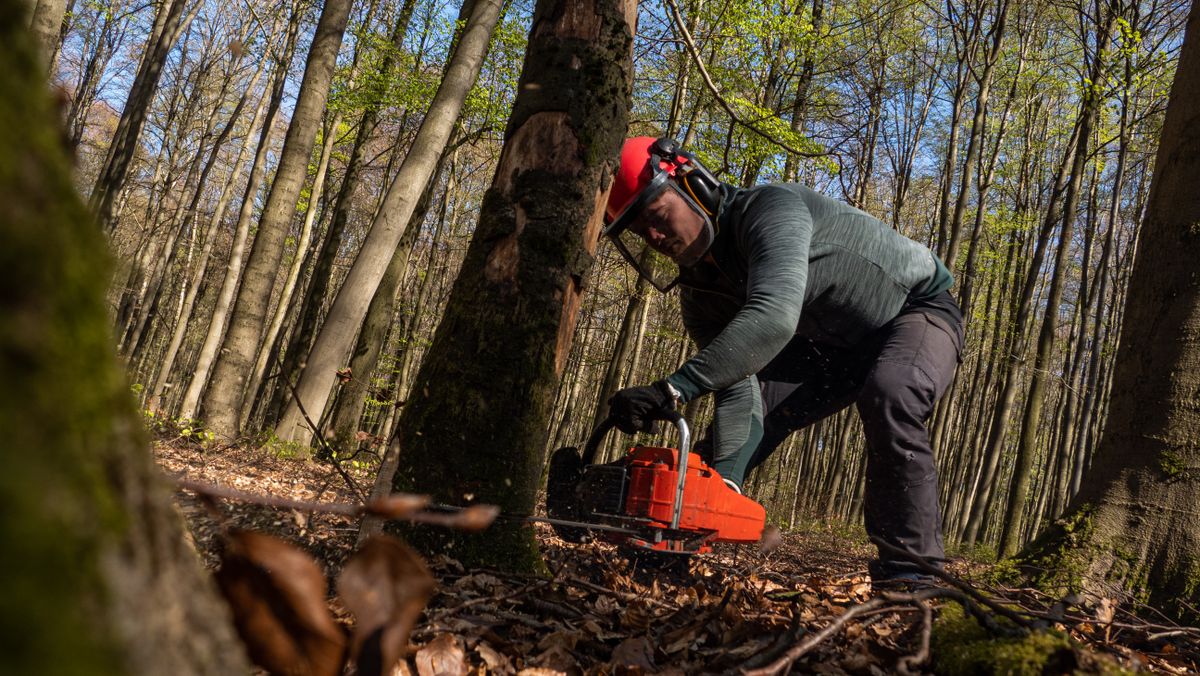
The right equipment and safety habits separate professionals from weekend operators, and they directly affect your property. Accidents in tree work tend to be far more severe than in most occupations, so a crew with proper gear and training is safer for everyone, including your home.
Ask what equipment the company brings and how the crew protects your property. Good questions include:
- Do climbers use rated ropes, harnesses, and helmets?
- Will they use a bucket truck or crane for trees near the house?
- How do they protect your lawn, driveway, and nearby plantings?
A professional crew follows industry safety standards and wears personal protective equipment without being asked. If a company shows up in sneakers with a single ladder and no safety gear, walk away. For tricky removals near power lines or structures, confirm the crew has done that kind of work before.
Get Written Estimates and Compare Scope
A written estimate protects you from surprise charges and lets you compare companies fairly. Collect at least two or three before you decide. Price alone tells you little, because two bids for the "same" job can cover very different work.
Make sure each estimate spells out:
- Scope: full removal, trimming, or both, and which trees.
- Cleanup and hauling: whether brush, logs, and debris are removed or left behind.
- Stump handling: grinding, full removal, or nothing, since that choice changes the price.
Stump work is a common source of confusion. If you are weighing options, our guide on stump grinding versus stump removal explains which approach fits different situations. Clarify upfront which one the estimate includes.
Compare the estimates side by side. The best choice is often the one that documents scope clearly, not the lowest number on the page. A detailed written estimate also gives you leverage if the final invoice does not match the quote.
Red Flags to Avoid With Cheap Bids
A bid far below the others is usually too good to be true, and it signals cut corners. Tree work is expensive for legitimate reasons: insurance, trained climbers, and heavy equipment all cost money. When a price looks shockingly low, something on that list is probably missing.
Watch for these warning signs:
- No proof of insurance. Uninsured crews are cheaper because they skip the coverage that protects you.
- Door-to-door pressure. Crews that knock after a storm and demand a quick cash deposit often vanish.
- Large upfront payment. Reputable companies usually bill after the work, or take a modest deposit at most.
- No written estimate. A verbal quote with no paperwork invites disputes later.
- Vague answers about certifications. If no one can give you an ISA number or insurance certificate, that is a problem.
Storm season brings out opportunists who knock on doors after high winds. If a tree has already fallen, take time to document the damage and act safely before you hire anyone. A trustworthy company will never rush you into a cash-only deal.
Questions to Ask Before Hiring
A short list of direct questions quickly reveals whether a company is a professional operation or a gamble. Ask every candidate the same questions so you can compare answers on equal footing. How a company responds often tells you as much as the answers themselves.
Before you sign, ask:
- Can you provide a certificate of insurance for general liability and workers' compensation?
- Is anyone on the crew an ISA Certified Arborist, and what is the number?
- Does the estimate include cleanup, hauling, and stump handling?
- How will you protect my lawn, driveway, and nearby structures?
- Do you guarantee the work, and what happens if something is damaged?
Hesitation, vague answers, or pressure to skip the paperwork are all reasons to keep looking. A confident, insured company welcomes these questions because the answers set it apart from cut-rate crews. When you hire an arborist in Tennessee who answers clearly and backs it up in writing, you protect both your property and your budget.
Ready to move forward? Gather two or three written estimates using the checklist above, then contact JD Tree Service for a documented quote that spells out scope, cleanup, and stump handling before any work begins.