Best Time of Year to Trim Trees in Tennessee
The best time to trim trees in Tennessee is late winter dormancy. Learn seasonal timing by tree type for healthier, safer trees.
Key takeaways
- Late winter dormancy (December through February) is the best time to trim most trees in Tennessee because wounds close faster and disease pressure is low.
- Prune oaks only in winter; avoid March through October when beetles can spread oak wilt.
- Prune spring-flowering trees like dogwood and redbud right after they finish blooming to protect next year's flowers.
- Elms should be pruned only in the dormant season (November through March) to avoid bark beetles that carry Dutch elm disease.
- Tennessee spans USDA zones 6a to 8a, so East Tennessee runs a few weeks behind Middle and West Tennessee.
The best time to trim trees in Tennessee is late winter, roughly December through February, while trees are dormant. Cuts made during dormancy close faster, the bare branch structure is easy to read, and the insects that spread tree diseases are not active. That single window covers most of the shade trees in a Tennessee yard, but the right timing shifts depending on the species, which is where a lot of homeowners get tripped up.
Knowing when to prune trees is as important as knowing how. Trim at the wrong moment and you can strip a flowering tree of its blooms, slow a wound's healing, or open a door for disease. This guide walks through the seasons one by one so you can build a trimming plan that fits Tennessee's climate and the specific trees on your property.
Why Late Winter Dormancy Is Ideal for Most Trees
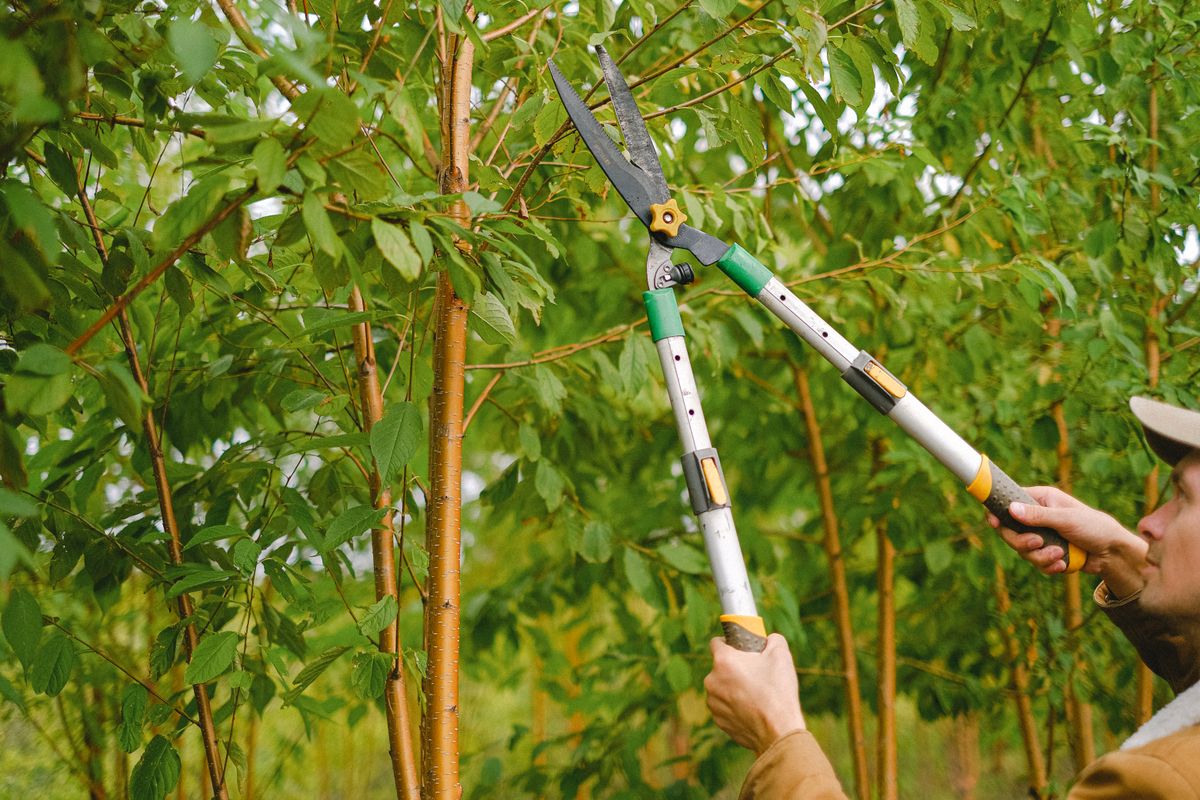
Dormant-season pruning is the standard recommendation from arborists and extension services for good reason. The Morton Arboretum advises that the best time to prune most trees is "between late fall, after the trees go dormant (lose their leaves), through very early spring, just as new growth is ready to begin."
Several things line up in your favor during this window:
- Wounds close cleanly. When a branch is cut correctly at the branch collar and the tree breaks dormancy, it seals the wound quickly as spring growth begins. Illinois Extension notes that proper cuts let the plant seal wounds properly and prevent the spread of decay and entry for pests and pathogens.
- You can see the structure. With no leaves in the way, crossing limbs, weak crotches, and dead wood are obvious. It is far easier to make good decisions on a bare tree.
- Disease pressure is low. Many of the insects and fungi that infect fresh cuts are inactive in cold weather, which lowers the risk of a pruning wound turning into an infection.
- Less stress on the tree. Removing branches before the spring push means the tree directs its stored energy into the limbs you kept, encouraging strong new growth.
For the typical Tennessee maple, hackberry, poplar, or other hardwood, a late-winter trim is the safe, healthy default.
Summer Trimming for Shaping and Light Maintenance
Winter is not the only time you will ever touch your trees. Summer has its own, narrower role: light shaping and cleanup rather than heavy structural work.
Summer is a sensible time to:
- Remove dead, broken, or storm-damaged limbs that are a safety hazard.
- Take off suckers and water sprouts, the fast vertical shoots that pop up along branches and at the base.
- Make small corrective cuts to steer a young tree's shape.
- Thin a few limbs to let more light reach a lawn or garden below.
The caution with summer is the heat. A tree that is already working to pull water through the Tennessee heat does not need the added stress of losing a large share of its canopy. Keep summer cuts modest, and save any major reduction for the dormant season. One more point on timing: avoid heavy pruning in late summer and early fall. Cuts made in August and September, as a tree prepares for dormancy, heal slowly and can leave the tree vulnerable heading into winter.
Trees That Should Be Pruned After Flowering
Spring-flowering trees are the big exception to the dormant-season rule. Dogwoods, redbuds, and other early bloomers set their flower buds the summer before they open. If you prune them in winter, you cut off the buds and lose the show.
The fix is simple: prune these trees right after the blooms fade, usually in April or May in Tennessee. That gives the tree the rest of the growing season to form new buds for the following spring.
A quick reference for common Tennessee flowering trees:
- Dogwood: prune just after the spring bloom drops.
- Redbud: prune right after flowering in April.
- Ornamental cherry and crabapple: prune after the petals fall.
If a flowering tree has a broken or diseased limb, remove it whenever you spot it. Safety and disease control always outrank the bloom schedule.
Avoiding Trimming During Disease-Prone Periods
Some of the most important timing rules exist entirely to dodge disease. Two trees in particular demand strict scheduling in Tennessee: oaks and elms.
Oaks and oak wilt. Oak wilt is a serious fungal disease spread by sap-feeding beetles that are drawn to fresh pruning cuts. To stay ahead of it, Iowa State Extension recommends that "Winter (December through February) is the best time to prune oak trees" because the beetles and fungal mats are not present then. Put another way, oaks should not be pruned from roughly March through October. If a storm snaps an oak limb during the growing season and you have no choice, the same extension advises painting the cut immediately, within about 15 minutes, to seal out the beetles.
Elms and Dutch elm disease. Elms face a similar threat from bark beetles that carry the Dutch elm disease fungus. Both oaks and elms should be pruned in the dormant season to avoid the insect pests that spread oak wilt and Dutch elm disease. For elms, that means a November-through-March window and nothing during the warm months.
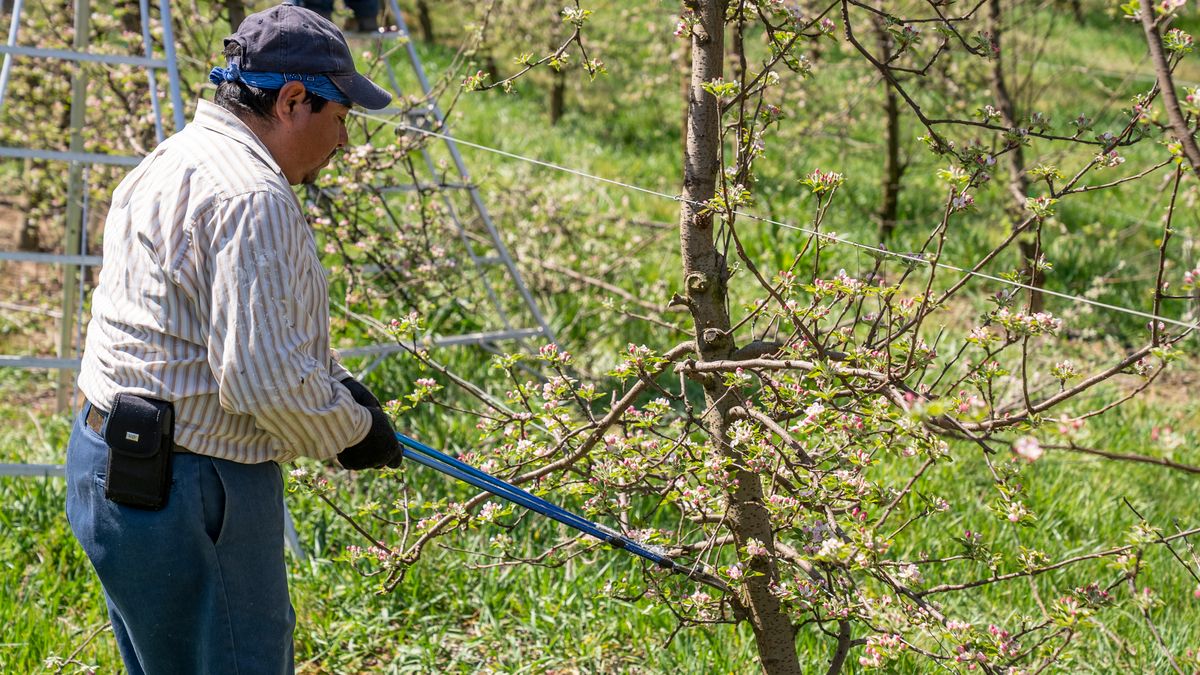
Fruit trees and fire blight. Apples, pears, and other fruit trees can carry fire blight, a bacterial disease. Dormant-season pruning is safest because the bacteria are inactive in cold weather. If you must cut during the growing season, disinfect your tools between cuts to avoid moving the infection from limb to limb.
If you are unsure whether a tree is simply overdue for a trim or actually in trouble, watching for the common warning signs of a dying tree can help you decide whether to prune or call for an assessment.
How Tennessee's Climate Affects Timing
Tennessee is long and geographically varied, and that stretches the pruning calendar across the state. Under the 2023 USDA Plant Hardiness Zone Map, Tennessee spans zones 6a to 8a. The high peaks of the Smoky Mountains sit in zone 6a, with winter lows reaching about -10 degrees Fahrenheit, while Middle and West Tennessee cities like Nashville, Chattanooga, and Memphis fall in the milder zone 7b.
What that means in practice:
- East Tennessee runs a few weeks behind the rest of the state. Trees go dormant a little earlier in fall and break dormancy a little later in spring, so the winter pruning window is slightly longer and a bit earlier.
- Middle and West Tennessee warm up sooner. Aim to finish dormant pruning before buds begin to swell, which can be as early as late February in a mild year.
The practical signal to watch is the tree itself, not a fixed date. The ideal moment is after the leaves have dropped and before the buds swell. A mild Tennessee winter can shift that window by a couple of weeks from one year to the next, so plan around the tree's behavior rather than the calendar alone.
Scheduling a Seasonal Trimming Plan
Putting it all together, here is a simple year-round rhythm for most Tennessee properties:
- December to February: Main pruning season. Handle shade trees, oaks, elms, and fruit trees now. This is the heavy-lifting window.
- April to May: Prune spring-flowering trees (dogwood, redbud, ornamental cherry) right after they finish blooming.
- Summer: Light shaping only. Remove dead or hazardous limbs and clean up suckers. Keep cuts small.
- Late summer to early fall: Hold off on major pruning. Limit work to clearing storm damage and safety hazards.
A walk around your yard once a season keeps small problems from becoming big ones. Dead limbs, rubbing branches, and limbs creeping toward the roof are all easier and cheaper to deal with early. Large trees near a house, power lines, or over a driveway are where it pays to bring in a professional, both for the climbing risk and for the judgment on how much to remove. JD Tree Service handles seasonal trimming across Tennessee and can time the work to each species on your property, so your oaks get a winter cut and your dogwoods get theirs after the bloom.
If a tree is beyond saving or storm damage has left a hazard, trimming may not be the answer. Our breakdown of tree removal costs in Tennessee covers what to expect when a tree needs to come down instead.
The best next step is a quick inventory of your trees before winter arrives: note which are oaks or elms, which are spring bloomers, and which have dead or overhanging limbs. With that list in hand, you can book dormant-season trimming at the right time for each one and head into spring with healthier, safer trees.